

WSJ: Iran Is Returning to Nuclear Talks, No Longer Afraid of America
After more than three months of bombing and blockades, the U.S. and Iran are back to square one, preparing for what promises to be difficult negotiations over limits to Tehran’s nuclear ambitions.
This time, the Iranians will come to the table armed with valuable knowledge: They can survive the worst the Americans can throw at them.
President Trump and Israeli Prime Minister Benjamin Netanyahu gambled that their fierce campaign of airstrikes, launched on Feb. 28 and lasting 40 days, would overthrow Iran’s theocratic regime, or at the very least force it to make major concessions.
None of that happened, despite the killing of much of Iran’s senior leadership, including Supreme Leader Ayatollah Ali Khamenei, and the decimation of the country’s navy, air force and other military assets.
Instead, the Iranian regime has survived and consolidated, under new and perhaps even more radical commanders. It has also gained a new instrument with worldwide consequences through its control of the Strait of Hormuz, while the war has led to unprecedented American restrictions on the behavior of Israel’s military.
“Iran is leaving this war with a sense of euphoria. They are managing the Strait of Hormuz, nobody was able to force them to back down militarily,” said Meir Javedanfar, an Iran expert at Israel’s Reichman University. He predicted Iran will now see the Persian Gulf’s oil-rich monarchies as its own sphere of influence.
Meanwhile, the war—which consumed a large part of U.S. precision munitions and inflicted damage on key U.S. military facilities in the region—has also exposed the limits of American military power. This, in turn, has undermined Washington’s main argument in its attempts to wring future nuclear concessions from Tehran, which retains a stockpile of highly enriched uranium and has yet to agree to renewed international inspections.
“When it comes to nuclear negotiations, we are back at the prewar stage, but with the U.S. leverage removed,” said Dania Thafer, director of the Gulf International Forum think tank. “Pandora’s box has already been opened, everything has been tested, and Iran feels it doesn’t have much more to lose or to fear. The worst has already happened, from the Iranian perspective, and they have survived it.”
Ever since former President Barack Obama tried to negotiate with Iran more than a decade ago, the credible threat of American military force was indispensable for any progress, said Daniel Shapiro, who served as deputy assistant secretary of defense in the Biden administration and as U.S. ambassador to Israel from 2011 to 2017.
“Now, we are going into the nuclear talks, with Iran having already proven that it could take the United States’ and Israel’s best punch, survive, and land some very effective counterstrikes, imposing global economic chaos and economic and political harm to President Trump and the United States,” said Shapiro, currently a senior fellow at the Atlantic Council. “Iranians will view with great skepticism that they will face a significant military threat if these talks are not progressing. And so there is a high likelihood that these talks will be inconclusive.”
While Iran may no longer fear the American stick, the American carrot remains attractive. The Iranian economy was already in a tailspin before the latest round of fighting, with runaway inflation and a water crisis—some of the reasons for the mass protests that the regime met with a deadly crackdown in January. The U.S. and Israeli bombing campaign, which destroyed some of Iran’s most important industrial sites, has only compounded the damage.
“Iran is still in a vulnerable position, given the economic pressure that the country will face, and the incredible cost of undergoing reconstruction after this war,” said Esfandyar Batmanghelidj, chief executive of the Bourse & Bazaar Foundation think tank. “The deal ultimately just takes them to the status quo ante, but in the interim, the country has absorbed huge costs. Iran cannot undergo a full reconstruction after this war without broad sanctions relief. And so the incentive remains there to get a full agreement.”

Bloomberg: Read the 14-Point Draft Memorandum Between the U.S. and Iran
Washington Examiner: Trump and Obama Lock Horns Over a New Iran Deal
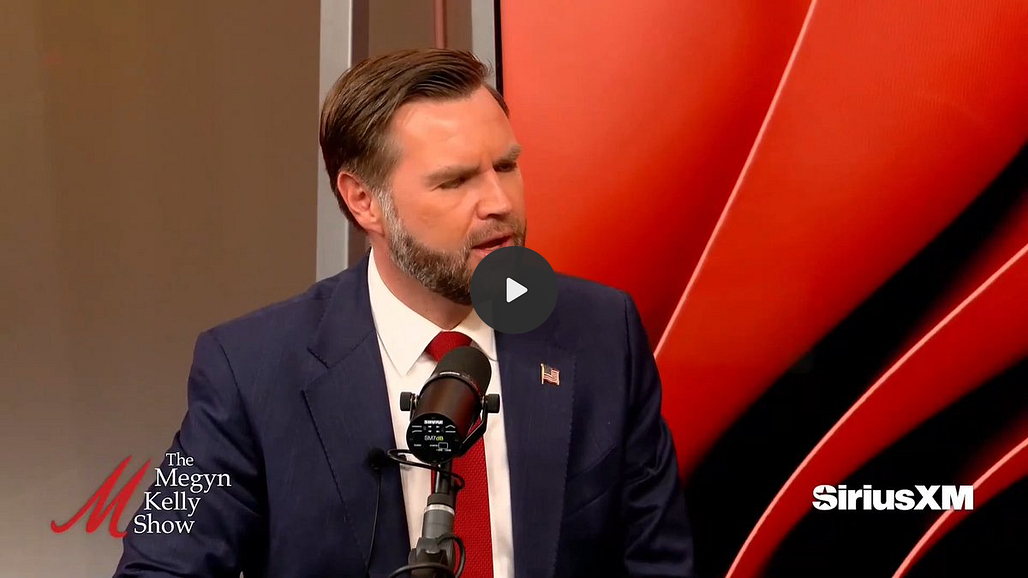
New York Post: JD Vance Says Iran Deal Could Be Scrapped if There Is an “Utter Meltdown”
✍️ Feature
Axios: “Regime Change”: The Night Murdoch Chose Rubio Over Vance
🌍 Foreign
Politico Europe: Andy Burnham’s “Manchesterism” Wants to Make Britain Great Again
Bloomberg: Starmer Faces Cabinet Showdown Days After Crucial By-Election
MSN: China Has Failed to Learn the Right Lessons From Soviet Failures
🏛️ Domestic
Washington Examiner: Did Gavin Newsom Peak Too Soon? California Wildfires Raise Questions
New York Post: Leaked and Classified Situation Room Talks Demand a Criminal Probe, Says Furious Trump
New York Times: Independence Day Flight Disruptions Threaten Washington Travel
New York Magazine: New Details: Why Jeffrey Epstein Did Kill Himself
💻 Tech
🧬 Health
🏈 Sports
Daily Wire: The Darker Side of Sports That Could Be Targeting Your Kids
Deadline: Knicks NBA Finals Ratings Hit Record Highs for ABC and ESPN
🎭 Culture & Hollywood
Variety: Hollywood’s Exodus: Film and TV Production Continue to Leave Los Angeles
Hollywood Reporter: Armie Hammer on His Career and Scandal in Exclusive Interview
Telegraph: Jeremy Clarkson Cancer Diagnosis: Clarkson’s Farm Star Speaks Out
🪶 Quote
“But how can we in good conscience justify war before we’ve tested a diplomatic agreement that achieves our objectives; that has been agreed to by Iran; that is supported by the rest of the world; and that preserves our options if the deal falls short? How could we justify that to our troops? How could we justify that to the world or to future generations? In the end, that should be a lesson that we’ve learned from over a decade of war. On the front end, ask tough questions. Subject our own assumptions to evidence and analysis. Resist the conventional wisdom and the drumbeat of war. Worry less about being labeled weak; worry more about getting it right.”
— Barack Obama